
Wasp, Hornet and Bee Nest Treatment
What is nesting decides what happens next. Wasps and hornets are treated; a honey bee colony is a different conversation, and identification comes first.
Yellowjacket colonies are largest in late summer
A nest that was unnoticed in June is at its peak size and most defensive in August and September, which is when most stings happen. Nest location decides whether the job is simple or not.
Call (267) 291-6056 and describe what you are seeing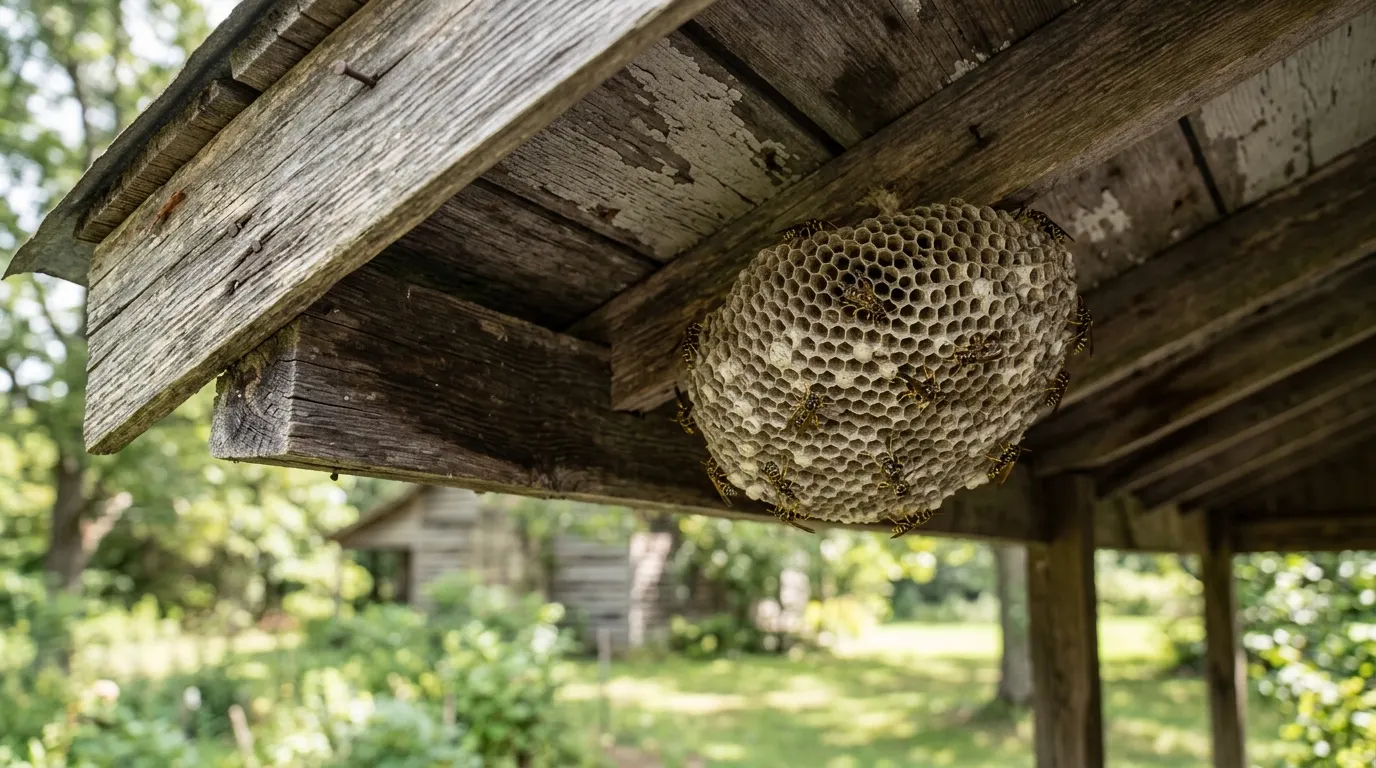
Bee and Wasp Control
What is nesting decides what happens next. Wasps and hornets are treated; a honey bee colony is a different conversation, and identification comes first.
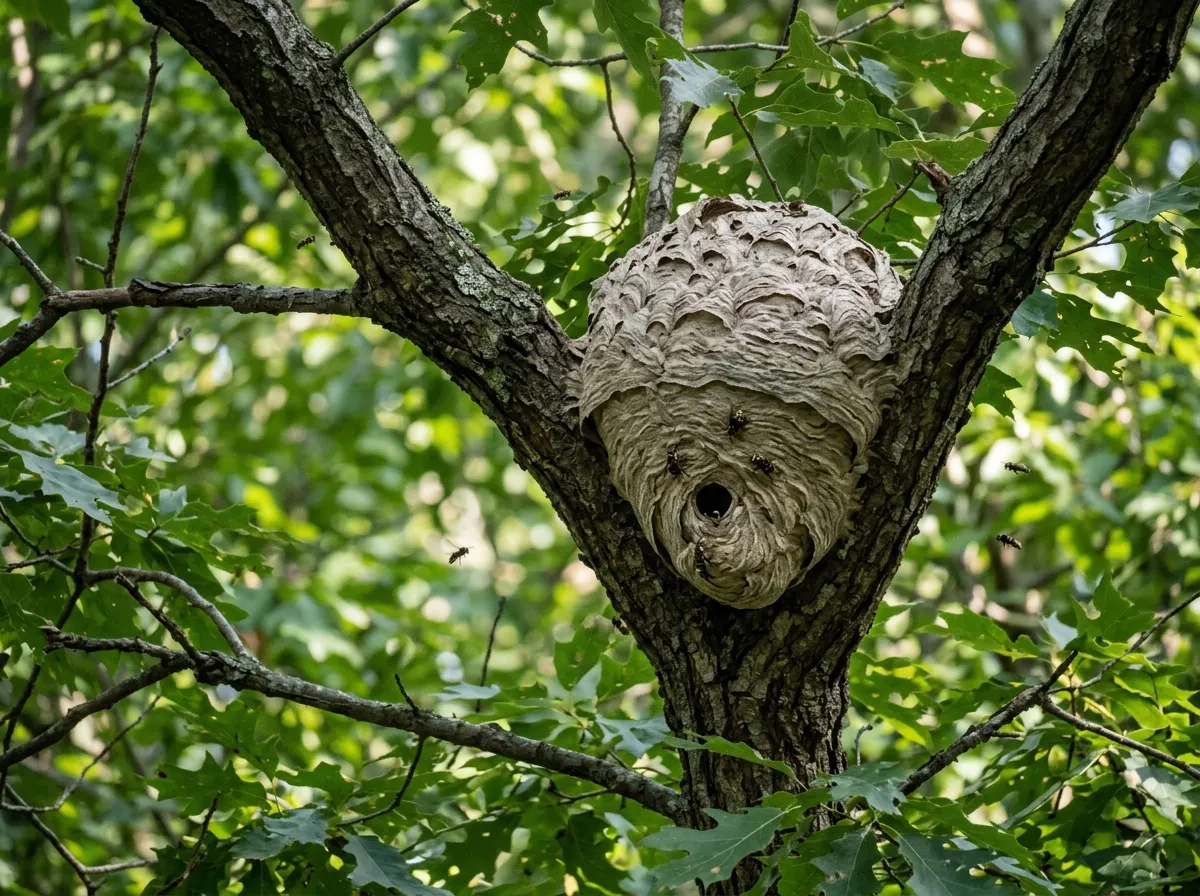
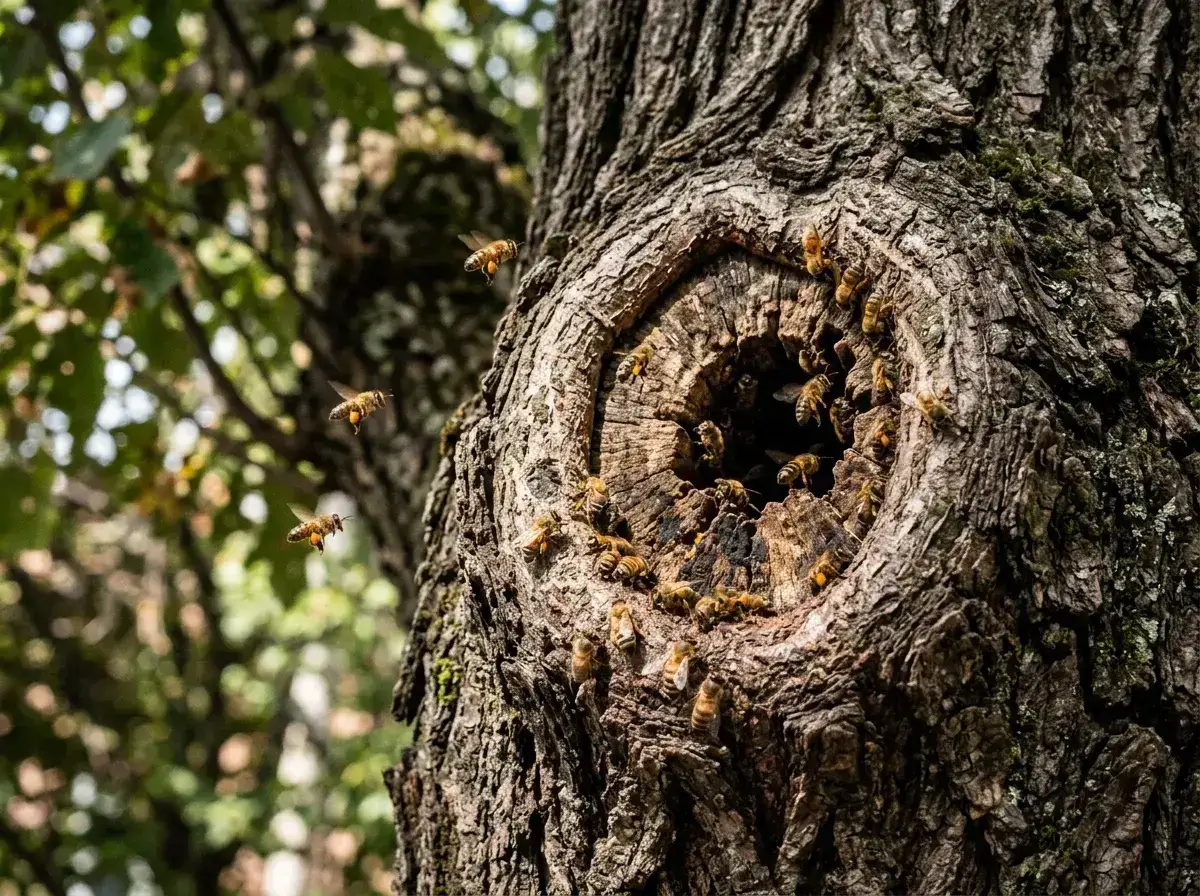
Identification matters more here than for almost any other call, and not only for safety. Yellowjackets and hornets are aggressive in defence of a nest and treating them is normal pest work. Honey bees are a different case: they are valuable pollinators, a colony in a wall can involve a substantial amount of comb, and the right answer is often removal or referral rather than treatment. Carpenter bees are different again, boring into timber rather than building a paper nest.
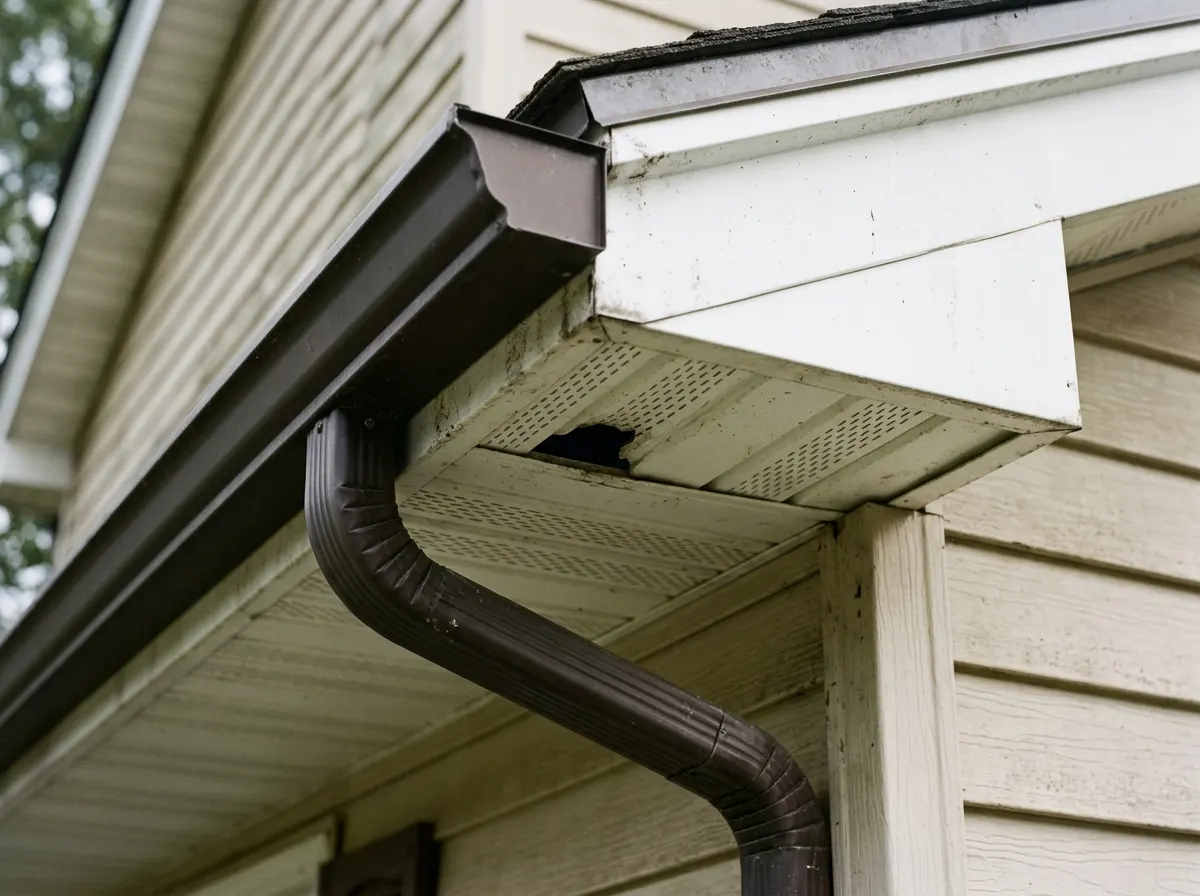
Location changes urgency. A nest in a shrub at the end of a garden and a nest in the wall void beside a front door are the same insect and a very different problem. Nests near entrances, in eaves above walkways, under deck rails, or in ground cavities beside a path are the ones that lead to stings, and where anyone in the household has a known sting allergy that moves it up the priority list.
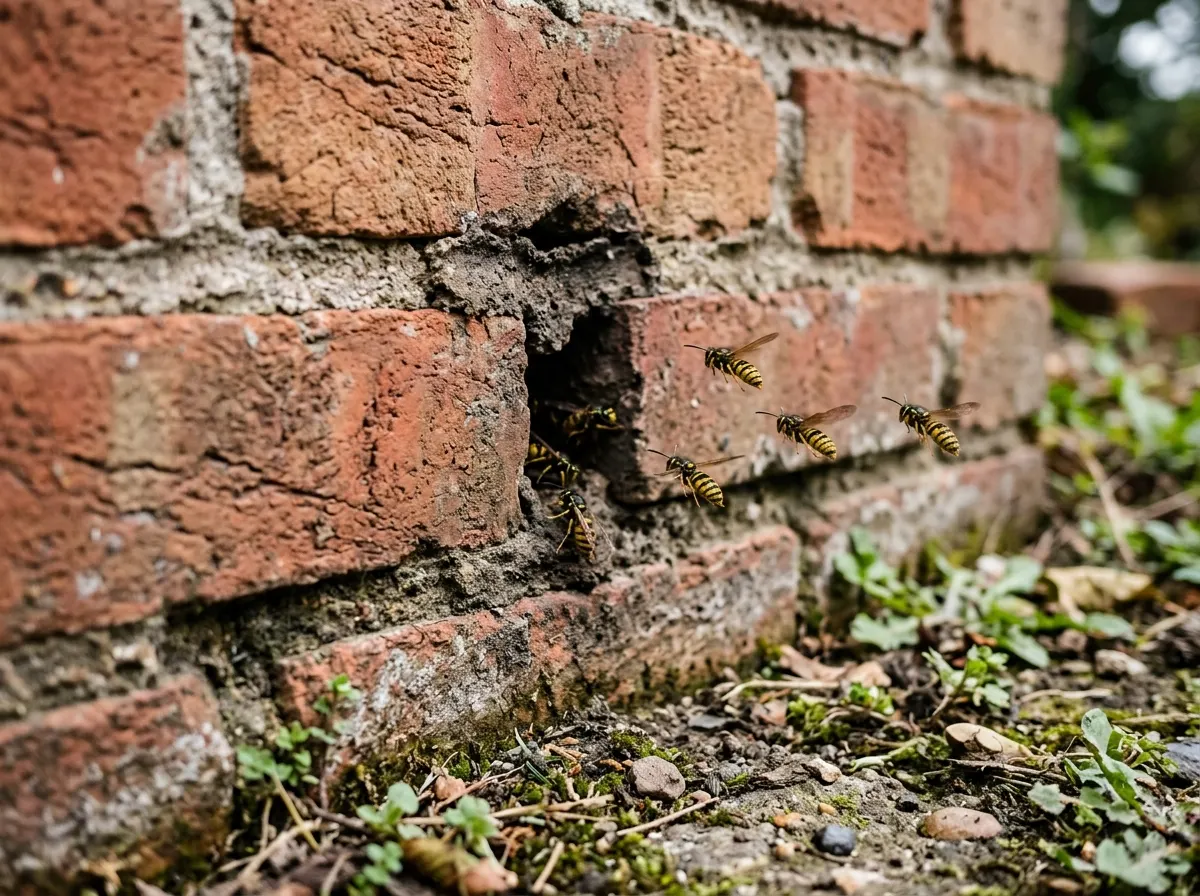
Do not seal an active entry hole. It is an understandable instinct and it commonly makes things much worse, because the colony will look for another way out and that route is often into the building rather than back outside. Call and describe the location and what the insects look like, and the technician will tell you what is involved.
Who it is for
Anyone with a nest near a door, eave, deck, or in a wall void, especially where children or allergies are involved..
What you get
- Species identified before treatment: wasps, hornets, honey bees and carpenter bees are handled differently
- Nest location assessed for risk, particularly near doors, walkways and play areas
- Sting allergies in the household are taken into account when scheduling
- Never seal an active entry hole: it drives the colony inward
Serving Ardmore, Berwyn, Blue Bell, Broomall, Bryn Mawr, Collegeville, Glen Mills, Horsham, King of Prussia, Malvern, Media, Newtown Square, Paoli, Springfield, Wayne. Call to book an inspection.
PJ Mac Pest Control
102 E Montgomery Ave #212, Ardmore
675 Lancaster Ave #52, Berwyn
581 Skippack Pike #201, Blue Bell
600 Reed Rd #452a, Broomall
40 Morris Ave #152, Bryn Mawr
372 E Main St #104, Collegeville
262 Baltimore Pike #100, Glen Mills
400 Horsham Rd #500, Horsham
501 Allendale Rd #123, King of Prussia
16 E King St #100, Malvern
117 Gayley St #236, Media
3475 West Chester Pike #125b, Newtown Square
21 Plank Ave #204, Paoli
905 W Sproul Rd #301, Springfield
418 E Lancaster Ave #100, Wayne
(267) 291-6056
Get a Free InspectionCall NowRequest bee and wasp control
Call the office and tell us what you are seeing. We will book your inspection, usually the same day.
Ask for your free inspection when you call.
Get the nest identified before anyone gets stung
Call the office nearest you and describe the location.
Questions, answered
Are honey bees treated the same as wasps?
No. Honey bees are important pollinators and a colony in a structure can involve a large amount of comb that needs dealing with properly, so removal or referral is often the right route rather than treatment. Describe the insects and the location when you call and the technician will tell you which situation you have.
Should I block the hole they are using?
No, and this is the one thing worth being firm about. Sealing an active entry usually pushes the colony to find another exit, and that new route is frequently into the building. Leave it open and get it identified.
What about carpenter bees drilling into my deck?
Carpenter bees bore into bare or weathered timber to nest rather than building a paper nest, and the damage accumulates over seasons as the same galleries are reused and extended. They are treated differently from wasps, and finishing or sealing exposed timber is part of reducing recurrence.