Termite Control on the Philadelphia Main Line
Termites in this region are almost always eastern subterranean termites, which reach a house from the soil rather than by flying in, so the treatment has to deal with the ground as well as the timber.
A swarm indoors means the colony is already established
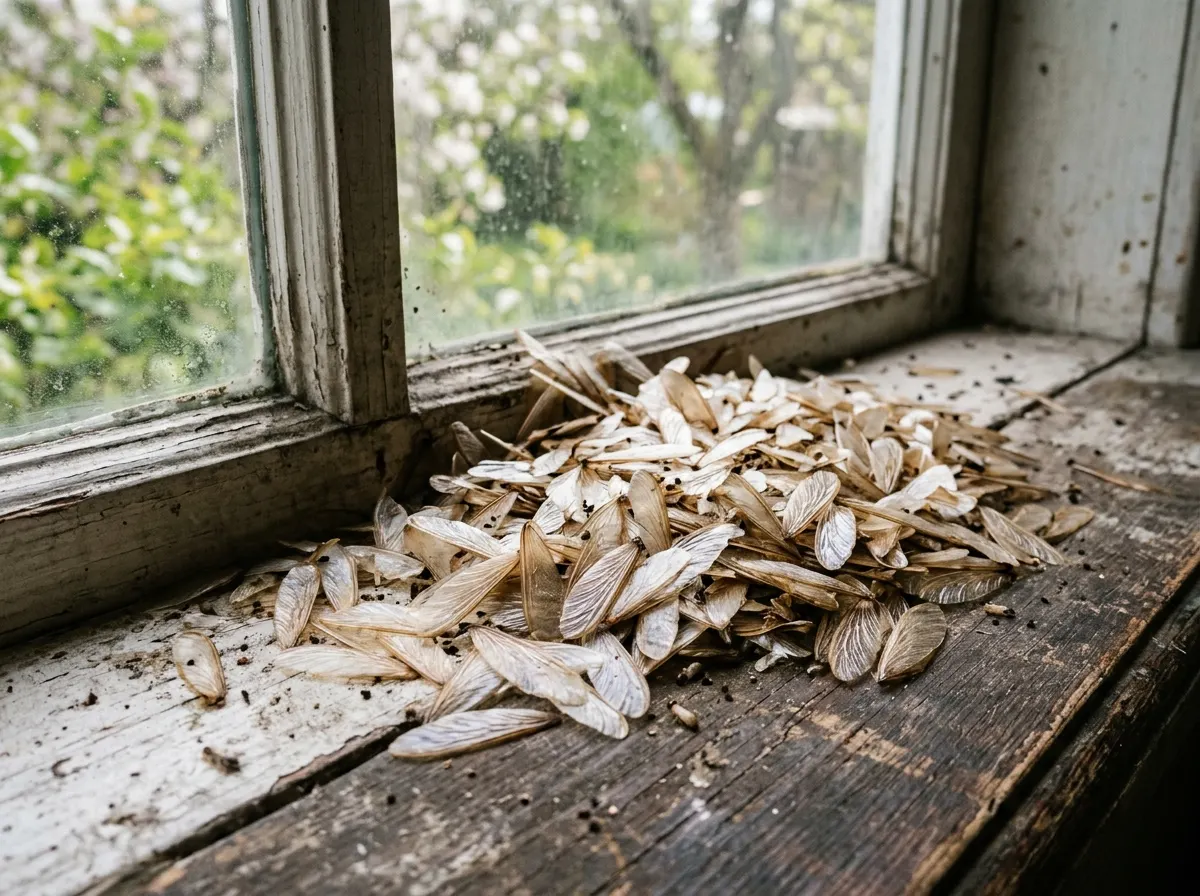
Eastern subterranean termites swarm in spring in Pennsylvania, and a colony is usually several years old before it produces its first swarmers. By the time you see them inside, the feeding has been going on for a while.
Call (267) 291-6056 and describe what you are seeing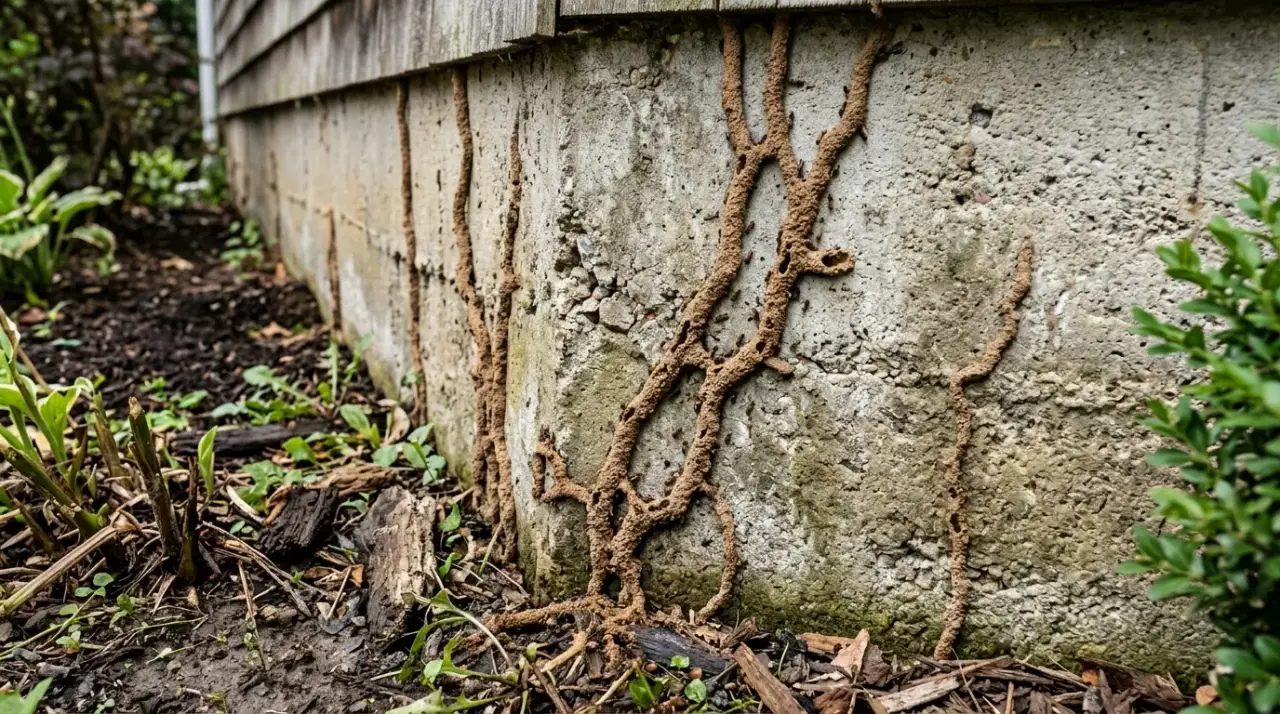
Termite Control
Termites in this region are almost always eastern subterranean termites, which reach a house from the soil rather than by flying in, so the treatment has to deal with the ground as well as the timber.
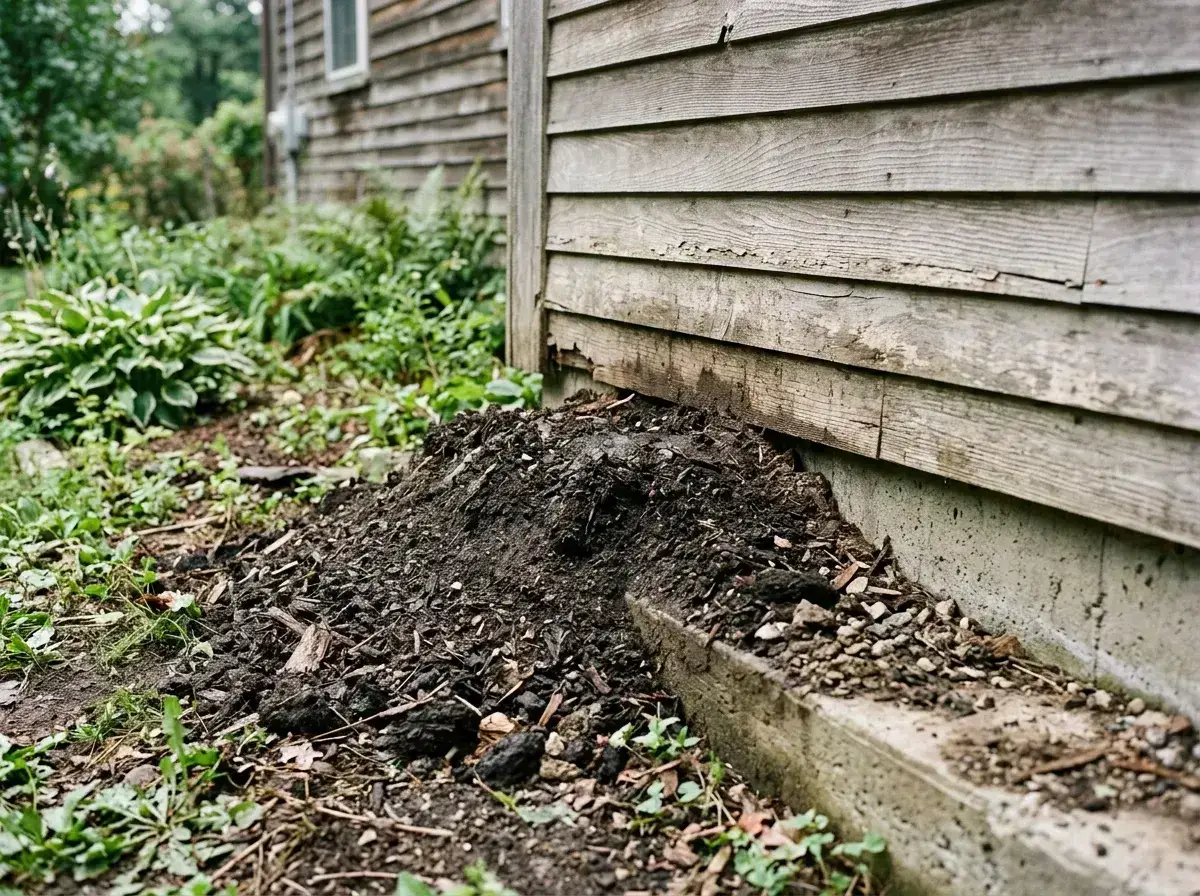
Eastern subterranean termites are the species that matters in Pennsylvania. They live in the soil and travel up into a structure through anything that bridges the ground and the timber: a porch slab, a foundation crack, mulch piled against siding, or a deck post set directly into earth. That is why a treatment that only addresses the wood you can see tends to fail. The colony is not in the wood.
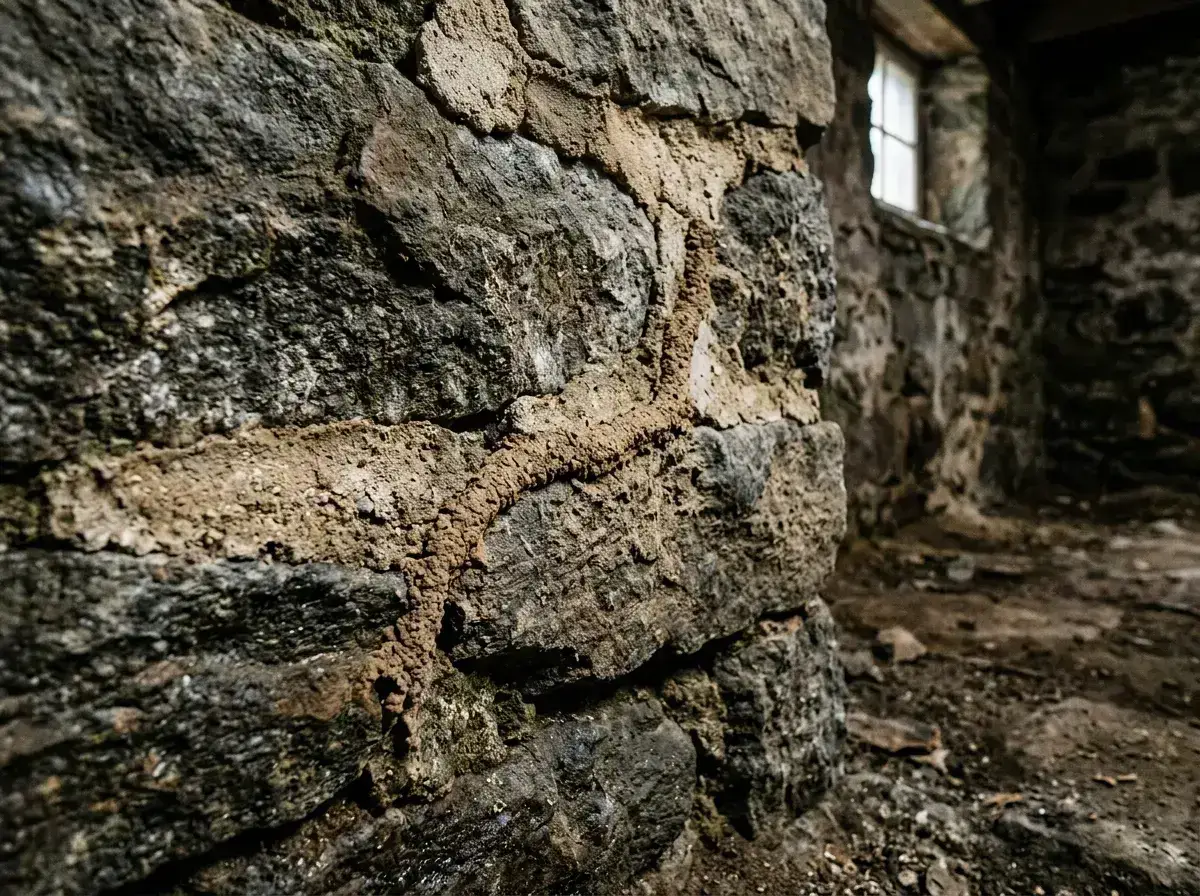
The signs are easy to miss until they are not. Pencil-width mud tubes on foundation walls, a scatter of equal-length wings near a window in spring, paint that looks slightly blistered along a baseboard, or a baseboard that gives under a screwdriver. Any one of those is worth an inspection, because the difference between a small localised problem and a structural one is mostly how long it went unnoticed.
An inspection establishes three things: whether the activity is current, where the colony is reaching the structure, and how far it has already travelled. The technician will show you what was found and explain the treatment options for your specific construction, because a house on a slab and a house with a fieldstone basement do not get the same approach.
Who it is for
Homeowners who have found mud tubes, discarded wings, or timber that sounds hollow when tapped..
What you get
- Identification first: eastern subterranean termite damage is often mistaken for carpenter ant damage, and the treatments are not interchangeable
- The soil-to-timber contact points are inspected, not just the visible damage
- You are shown what was found before any treatment is discussed
- Wood-destroying insect reports for a property sale are available: ask when you book
Serving Ardmore, Berwyn, Blue Bell, Broomall, Bryn Mawr, Collegeville, Glen Mills, Horsham, King of Prussia, Malvern, Media, Newtown Square, Paoli, Springfield, Wayne. Call to book an inspection.
PJ Mac Pest Control
102 E Montgomery Ave #212, Ardmore
675 Lancaster Ave #52, Berwyn
581 Skippack Pike #201, Blue Bell
600 Reed Rd #452a, Broomall
40 Morris Ave #152, Bryn Mawr
372 E Main St #104, Collegeville
262 Baltimore Pike #100, Glen Mills
400 Horsham Rd #500, Horsham
501 Allendale Rd #123, King of Prussia
16 E King St #100, Malvern
117 Gayley St #236, Media
3475 West Chester Pike #125b, Newtown Square
21 Plank Ave #204, Paoli
905 W Sproul Rd #301, Springfield
418 E Lancaster Ave #100, Wayne
(267) 291-6056
Get a Free InspectionCall NowRequest termite control
Call the office and tell us what you are seeing. We will book your inspection, usually the same day.
Ask for your free inspection when you call.
Get the timber checked before it gets worse
Call the office nearest you and we will book a termite inspection.
Questions, answered
How do I tell termite damage from carpenter ant damage?
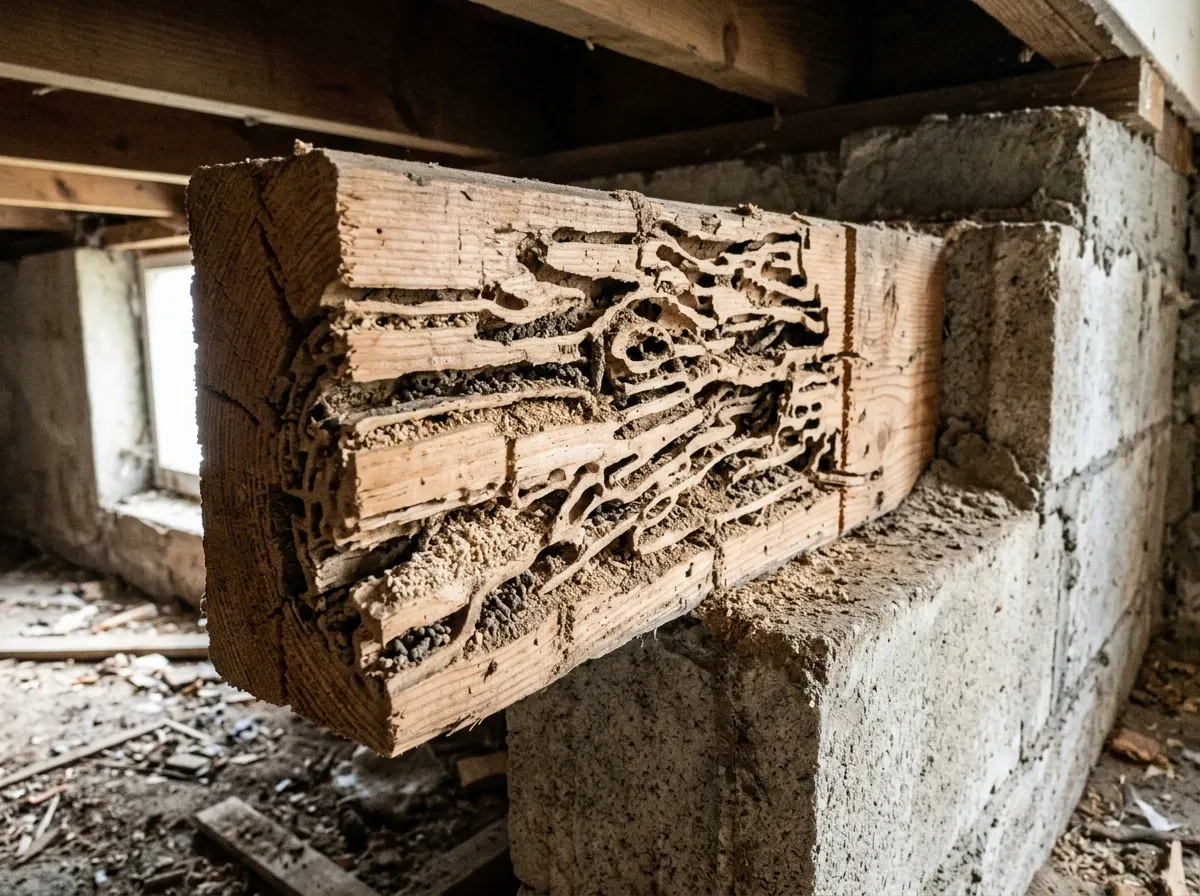
Termites eat the wood and leave the galleries packed with soil and debris. Carpenter ants excavate wood to nest in it and push the shavings out, so you often find a small pile of what looks like sawdust below the entry. Both weaken timber and both are common here, which is why identification comes before treatment rather than after.
Do I need a termite inspection to sell my house?
A wood-destroying insect report is commonly requested during a property sale in Pennsylvania, and lenders often require one. Ask for it specifically when you book so the inspection is documented in the right format from the start rather than repeated later.
Is spring the only time termites are active?
Swarming happens in spring, which is when most people first notice them, but a subterranean colony is active year round because it lives below the frost line and travels through heated structures. Finding activity in January is normal and is not a sign of anything unusual.