Tick Control for Yards and Property Edges
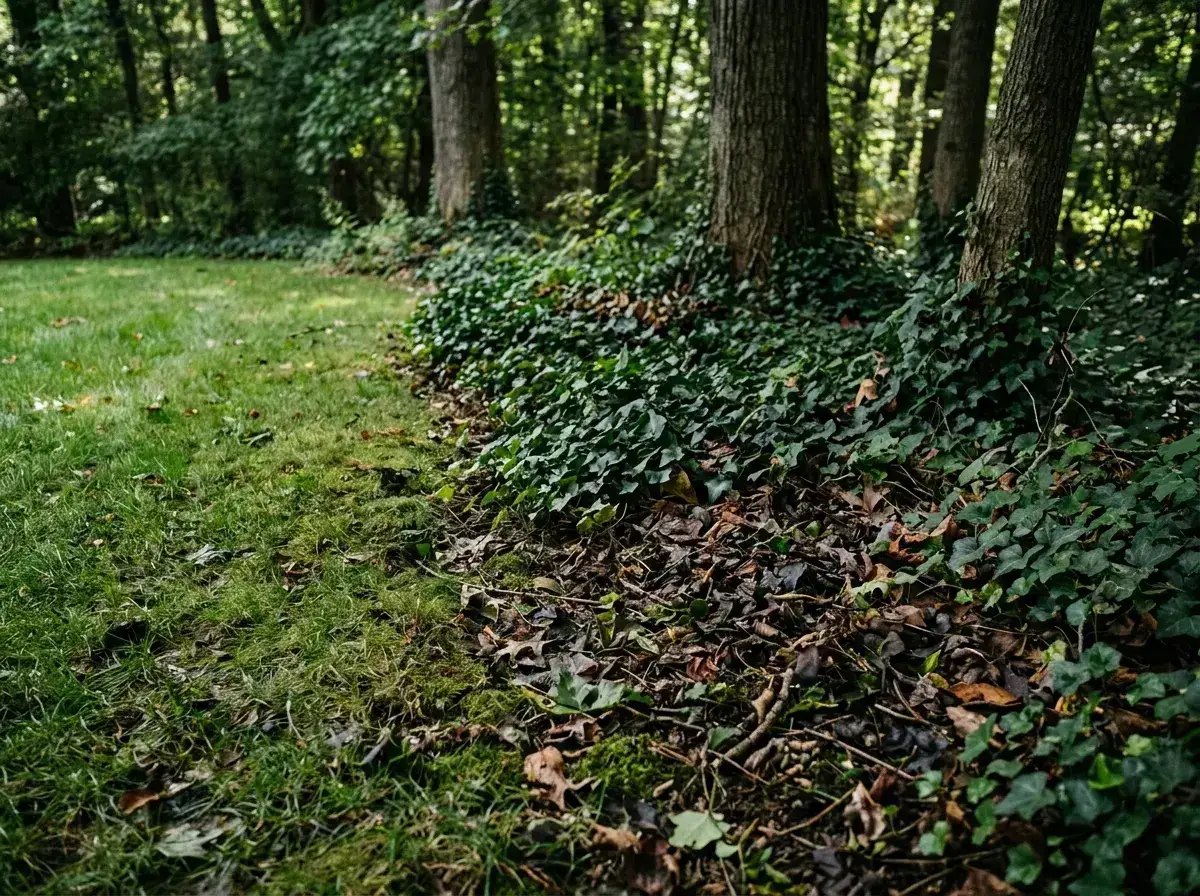
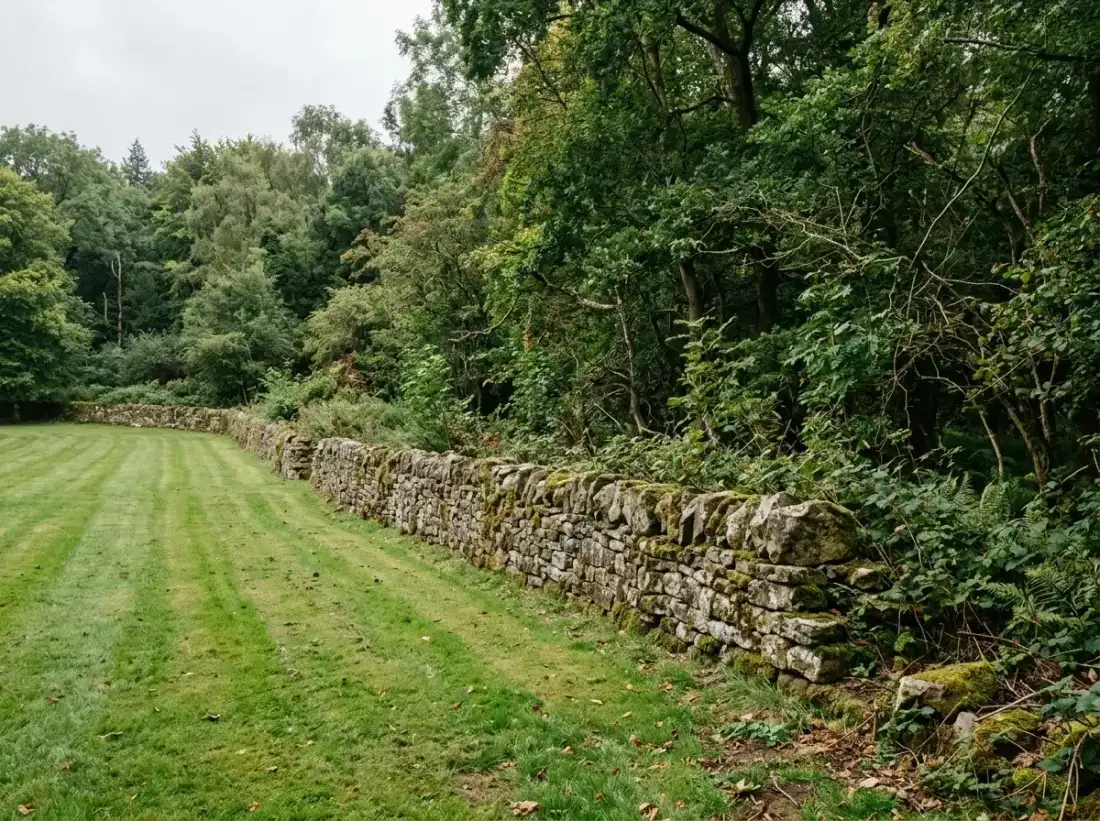
Ticks live at the edge: leaf litter, long grass, and the line where a lawn meets woodland. That transition zone is where treatment and habitat work matter most.
Ticks sit at the edge, not in the middle of the lawn
They concentrate where mown grass meets leaf litter, ivy and shade. That is why a whole-lawn spray misses the point and why the property walk decides the treatment.
Call (267) 291-6056 and describe what you are seeing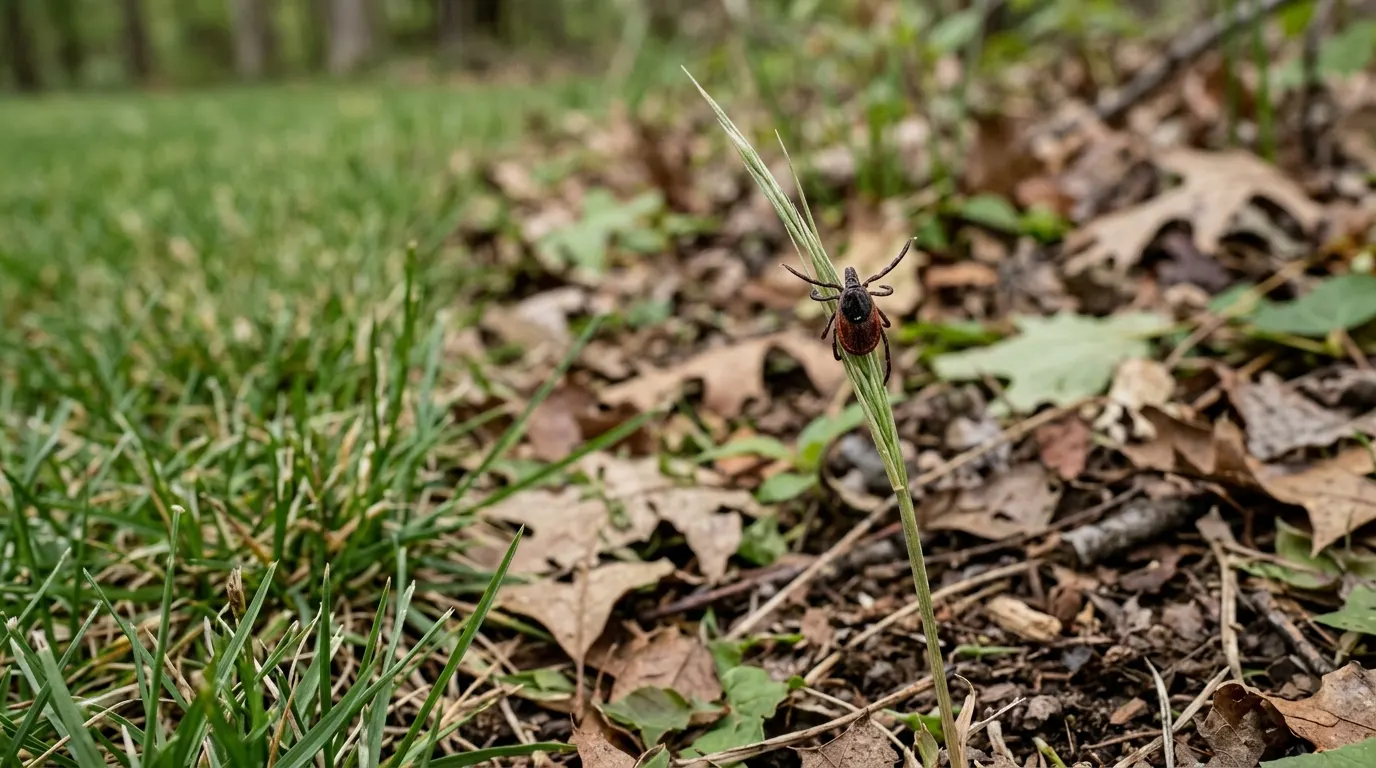
Tick Control
Ticks live at the edge: leaf litter, long grass, and the line where a lawn meets woodland. That transition zone is where treatment and habitat work matter most.
Pennsylvania consistently reports among the highest numbers of Lyme disease cases in the United States, and the blacklegged tick, commonly called the deer tick, is the vector. That makes tick work different in tone from most pest control: the goal is reducing an actual health risk on the part of the property where people and pets spend time, not eliminating an insect from a region.
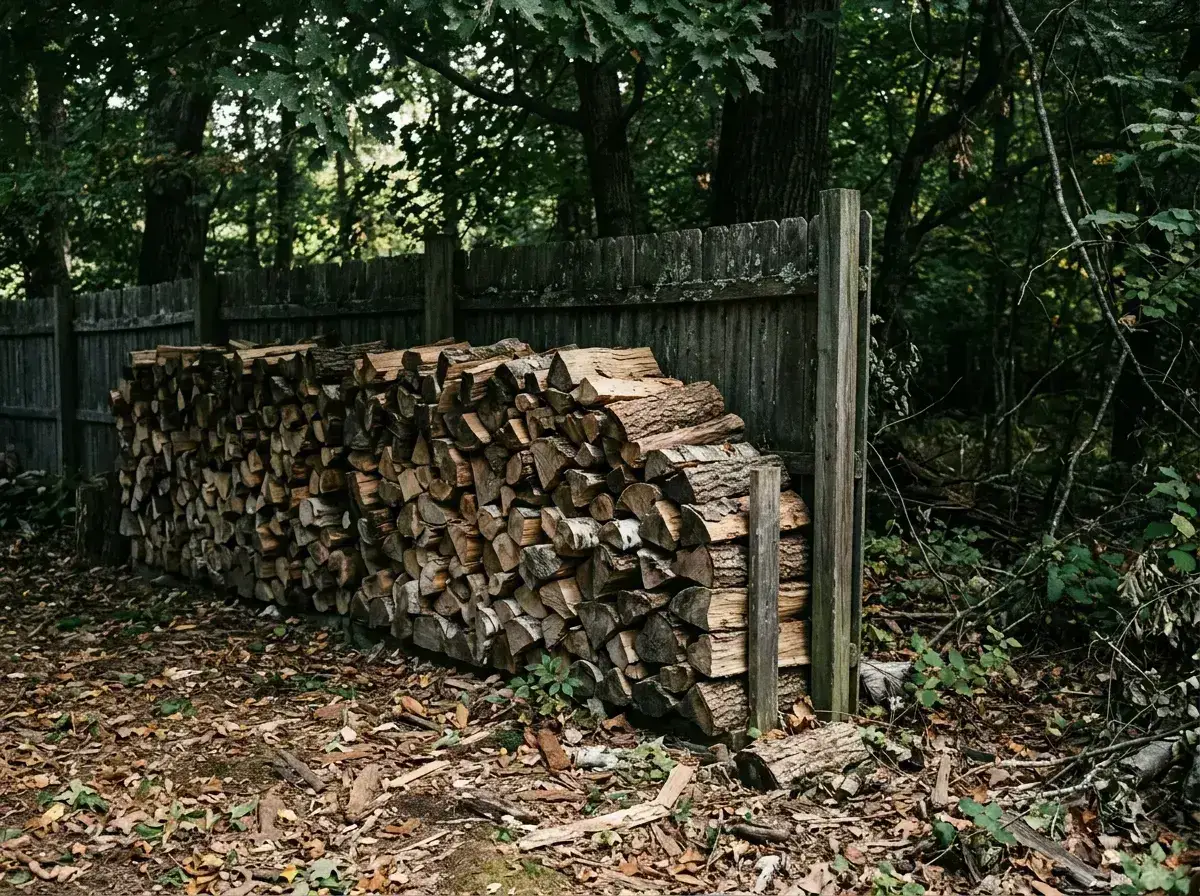
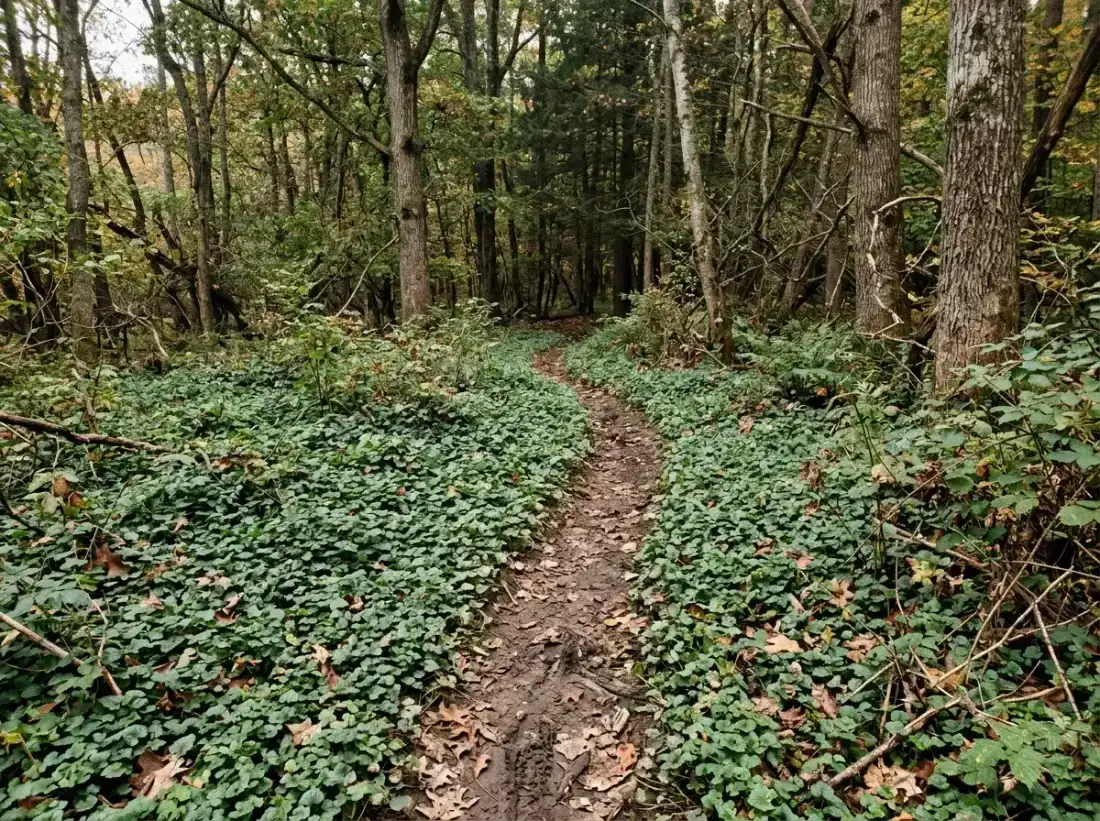
Ticks do not thrive in open, sunny, mown lawn. They need humidity and shade, which means the risk concentrates in leaf litter, ground cover, stone walls, wood piles and the first several feet of woodland where it meets the grass. A yard can be low risk in the middle and high risk along one boundary, and that is where the survey focuses.
Treatment targets those zones rather than blanketing the lawn. Alongside it, the habitat changes that reduce risk are genuinely effective and cost nothing: clearing leaf litter, keeping the grass edge cut back from the tree line, moving wood piles away from where children play, and creating a defined border between lawn and woodland.
Who it is for
Families and dog owners with wooded boundaries, and anyone finding ticks on people or pets after being in their own garden..
What you get
- The lawn-to-woodland transition zone is treated, because that is where ticks actually are
- Leaf litter, stone walls and wood piles are assessed as habitat
- Habitat advice included, since some of the most effective changes are free
- Pet routes considered, as dogs bring ticks from the boundary to the door
Serving Ardmore, Berwyn, Blue Bell, Broomall, Bryn Mawr, Collegeville, Glen Mills, Horsham, King of Prussia, Malvern, Media, Newtown Square, Paoli, Springfield, Wayne. Call to book an inspection.
PJ Mac Pest Control
102 E Montgomery Ave #212, Ardmore
675 Lancaster Ave #52, Berwyn
581 Skippack Pike #201, Blue Bell
600 Reed Rd #452a, Broomall
40 Morris Ave #152, Bryn Mawr
372 E Main St #104, Collegeville
262 Baltimore Pike #100, Glen Mills
400 Horsham Rd #500, Horsham
501 Allendale Rd #123, King of Prussia
16 E King St #100, Malvern
117 Gayley St #236, Media
3475 West Chester Pike #125b, Newtown Square
21 Plank Ave #204, Paoli
905 W Sproul Rd #301, Springfield
418 E Lancaster Ave #100, Wayne
(267) 291-6056
Get a Free InspectionCall NowRequest tick control
Call the office and tell us what you are seeing. We will book your inspection, usually the same day.
Ask for your free inspection when you call.
Make the yard edge safer to use
Call the nearest office for a tick survey.
Questions, answered
Is Lyme disease actually common here?
Pennsylvania reports among the highest case numbers in the country, and the blacklegged or deer tick is the species involved. That is the reason tick work focuses on the parts of a property where people and pets spend time, and why checking after being outdoors is worth the habit regardless of any treatment.
Where in my yard are ticks most likely to be?
Along the shaded, humid edges rather than in the open lawn: leaf litter, ground cover, stone walls, wood piles, and the first several feet of woodland where it meets grass. A survey usually finds the risk concentrated on one or two boundaries rather than spread evenly.
Can I reduce ticks without any treatment?
To a real extent, yes. Clearing leaf litter, keeping the grass edge trimmed back from the tree line, moving wood piles away from play areas and putting a defined border between lawn and woodland all reduce suitable habitat. The technician will point out the specific changes worth making on your property.